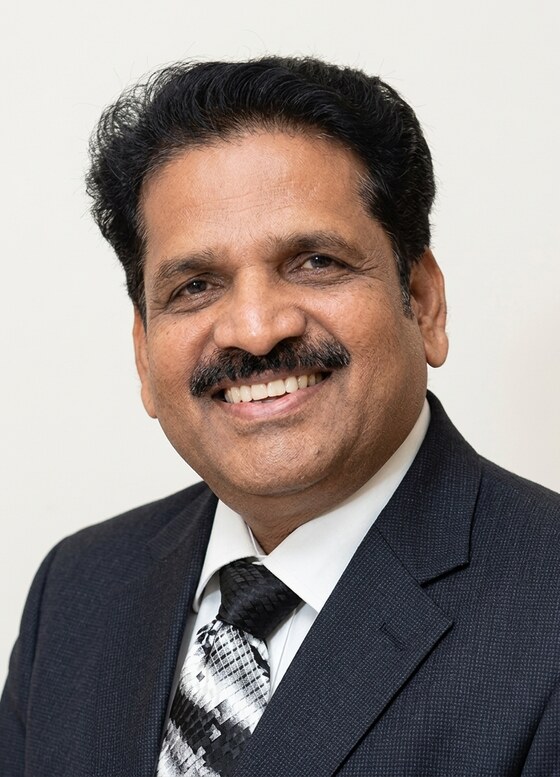
Paediatrician, clinical geneticist and medical teacher. Former Professor
and Head, Department of Paediatrics, J.J.M. Medical College, Davangere.
37Years teaching paediatrics
~500Scientific papers
12Books authored or edited
1994Dr. B. C. Roy National Award
The record in brief
A career of national consequence, conducted from a small town
Dr. Muralidhar Laxmanrao Kulkarni taught paediatrics at J.J.M. Medical College,
Davangere, for thirty-seven years, the last nineteen as Professor and Head of the Department.
He trained close to a thousand postgraduates and more than ten thousand undergraduate doctors.
He is a clinician with a lifelong interest in clinical genetics and syndromology, the author of
nearly five hundred scientific papers and twelve books, and the founder of the Karnataka
Hemophilia Society. His research on neural tube defects and periconceptional folic acid, on
consanguinity, and on the additives in children's medicines reached policy as well as print.
In 1994 the Medical Council of India conferred on him the Dr. B. C. Roy National Award as an
Eminent Medical Teacher. Its published citation records research of international standing
carried out in adverse conditions, in a remote place like Davangere, at great personal
sacrifice. That sentence is the shortest account of the career on this page.
Part I of the dossier
Career and qualifications
Trained entirely in Karnataka, with a year of medical genetics in Birmingham. He joined
J.J.M. Medical College as a lecturer in 1975 and left it as head of department in 2012.
Qualifications
1971
M.B.B.S.Karnatak Medical College, Hubli — Karnatak
University, Dharwad
1975
M.D. PaediatricsKarnatak Medical College, Hubli
1984–85
Fellowship in Medical GeneticsEast Birmingham Hospital,
Birmingham, United Kingdom
FRCPCHRoyal College of Paediatrics and Child Health, London
Thirty-seven years at J.J.M. Medical College
1972–75
Senior ResidentK.M.C. Hubli
1975–79
Lecturer in Paediatrics
1979–83
Assistant Professor
1983–87
Associate Professor
1987–93
Professor
1993–2012
Professor and Head of DepartmentNineteen years as
head
Beyond Davangere
Visiting appointments at East Birmingham Hospital in the United Kingdom; Hamad
Hospital, Doha; Sohar District Hospital, Oman; Sanjay Gandhi Postgraduate Institute, Lucknow;
Goa Medical College; and the Department of Applied Genetics at Karnatak University, Dharwad.
Founder Co-ordinator of the DNA Research Laboratory at Dharwad, a Government of Karnataka
undertaking. Examiner for M.D., D.C.H., D.N.B., D.M. (Medical Genetics) and Ph.D. in Genetics
at several universities.
Parts III and IV of the dossier
Research and publications
Nearly five hundred papers, of which more than a hundred are indexed on PubMed.
A few long lines of enquiry run through all of it.
Neural tube defects and folic acid. Consanguinity and its effect on the growing
child. Dysmorphology and the rare syndromes. Haemophilia. And the safety of the medicines given
to children.
Five papers that changed something
01
High incidence of neural tube defects in South India
The Lancet · 30 May 1987 · 1(8544):1260
The paper that put the South Indian figures on the map, and led on to the work on
periconceptional folic acid now embedded in maternal and child health practice.
02
Consanguinity and its effect on fetal growth and development: a south Indian
study
Journal of Medical Genetics · 1990 · 27(6):348–52
Carried by PTI across the national press, taking the finding well beyond the
medical readership.
03
Colourings, flavourings and sugars in children's medicines in India
British Medical Journal · 25 September 1993 · 307(6907):773
The Drugs Controller of India and the Ministry of Health and Family Welfare both
wrote to him about this paper. It led to action on unnecessary additives in paediatric
preparations. Both letters are reproduced in the dossier.
04
School bag — a potential killer
Indian Pediatrics · January 1990 · 27(1):91
Debated in Parliament and in the Legislative Council, and followed by instructions
to schools to reduce the weight children carry.
05
Tartrate-resistant acid phosphatase deficiency causes a bone dysplasia with
autoimmunity and a type I interferon expression signature
Nature Genetics · February 2011 · 43(2):127–31
An international collaboration describing the condition now known as SPENCD.
Where the work appeared
Nature GeneticsThe LancetBritish Medical JournalArchives of Disease in ChildhoodJournal of Medical GeneticsAmerican Journal of Medical GeneticsAmerican Journal of Human GeneticsAmerican Journal of Diseases of ChildrenNational Medical Journal of IndiaIndian PediatricsIndian Journal of Pediatrics
Editorial service
Editorial boards of Indian Pediatrics, the Indian Journal of Pediatrics for over
twenty years, the National Medical Journal of India, the Journal of the Indian Council of
Medical Research, the Journal of RGUHS, the Indian Journal of Practical Pediatrics and
Pediatrics Today. ICMR expert on neonatal research and on Handigodu disease, and expert in
genetics.
The complete list — 119 indexed papers, 131 in non-indexed journals, 27
souvenir and bulletin articles, and the full PubMed record of 100 entries — occupies
Parts III, IV and VII of the dossier.
Part II of the dossier
Books
Twelve books, most written or edited single-handed, and sixty-six chapters in
other authors' textbooks.
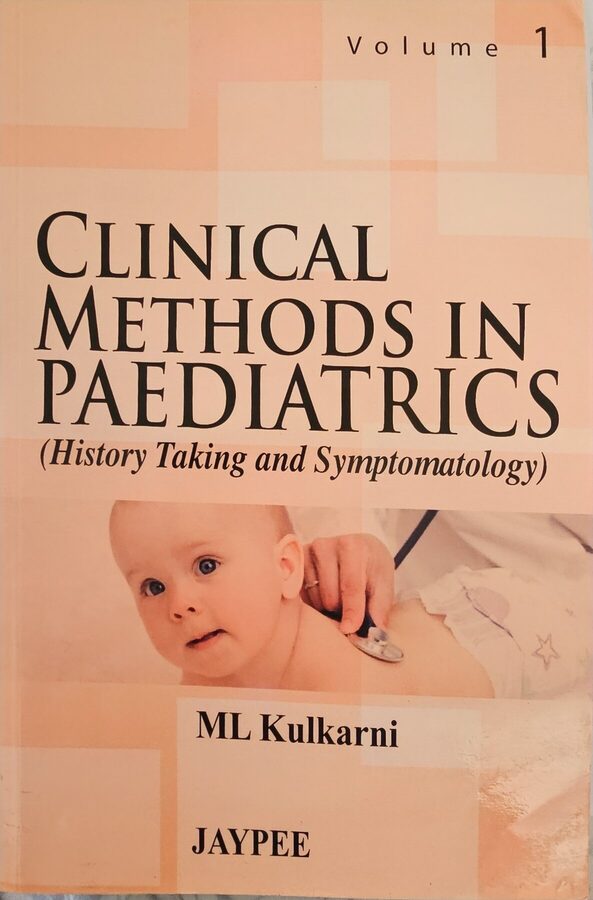
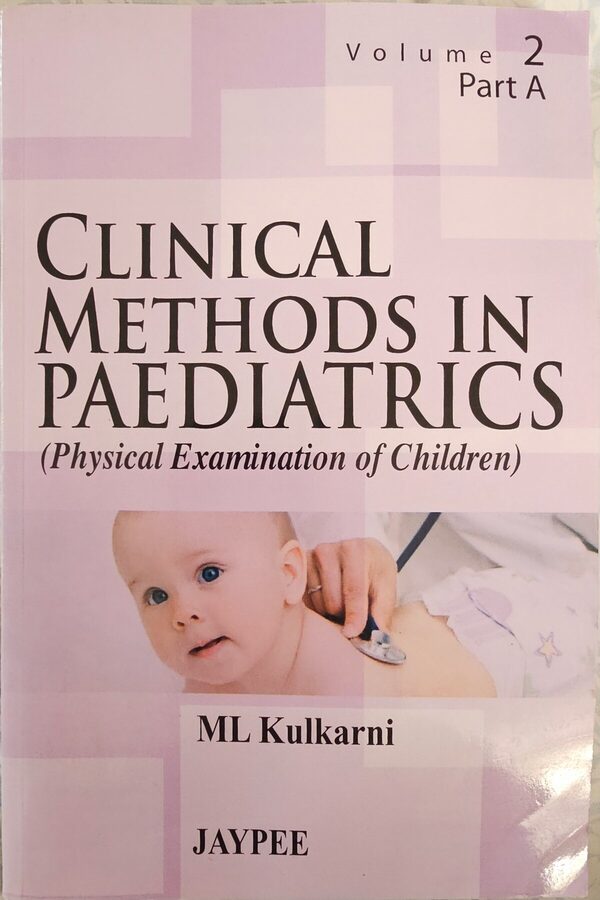
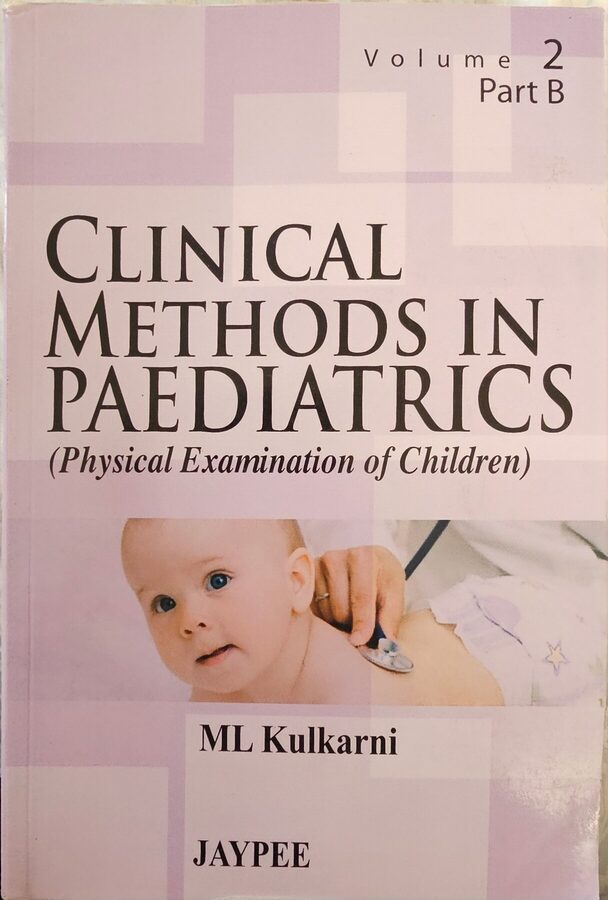
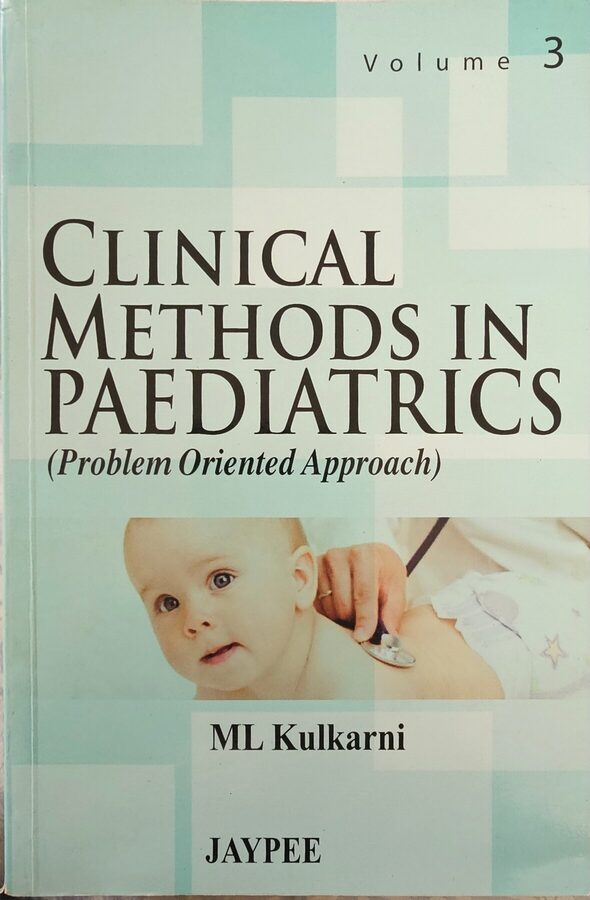
The four-volume Clinical Methods in Paediatrics is read across South East
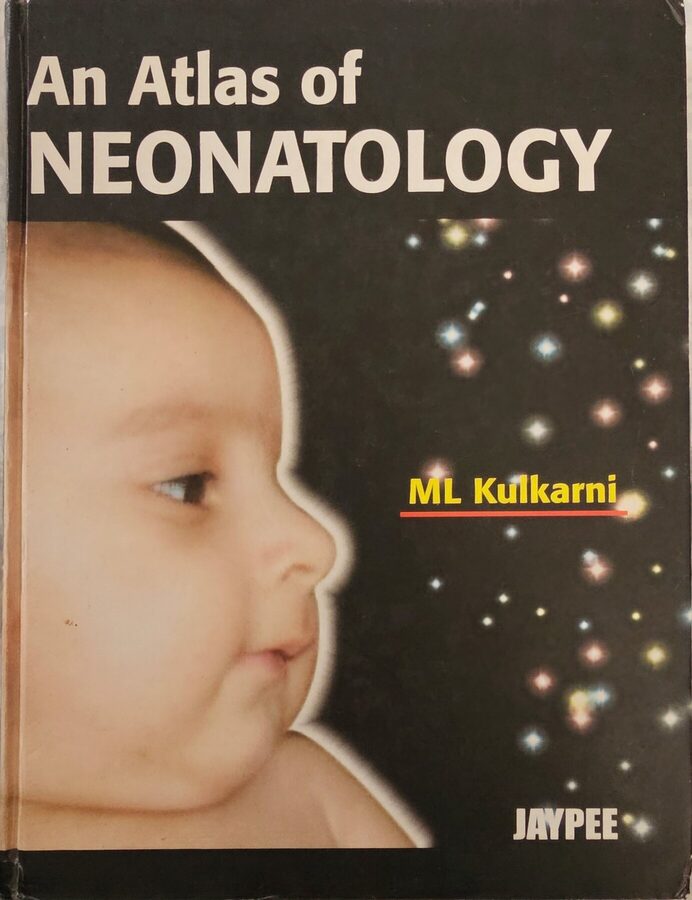
Asia, South America and Africa. An Atlas of Neonatology was translated into Chinese and
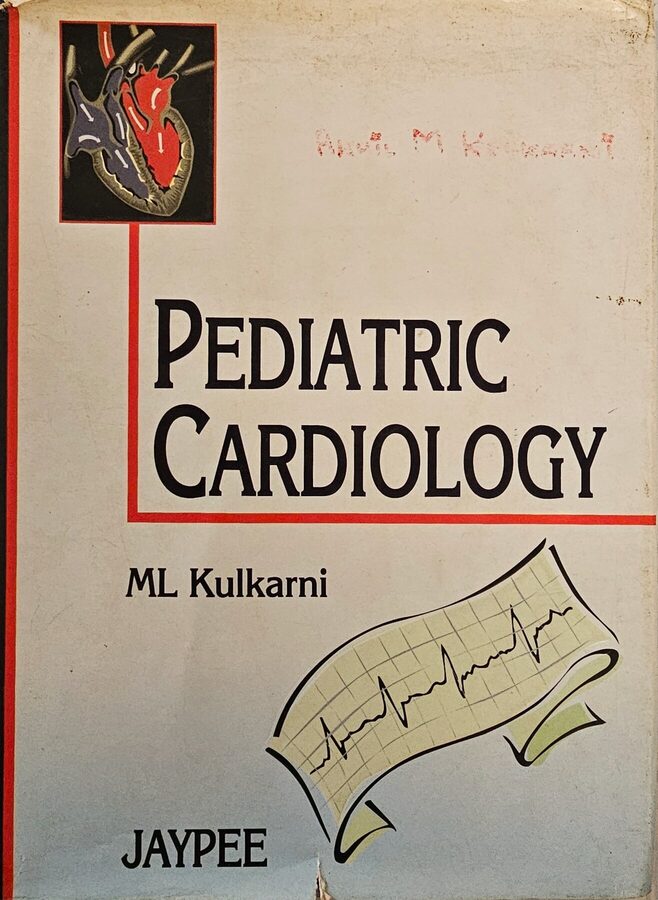
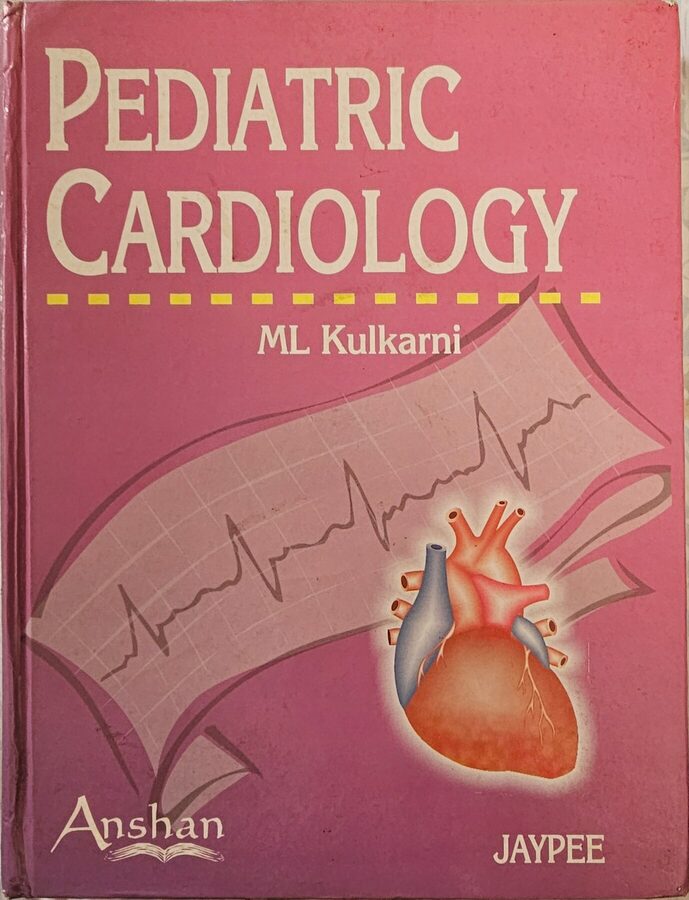
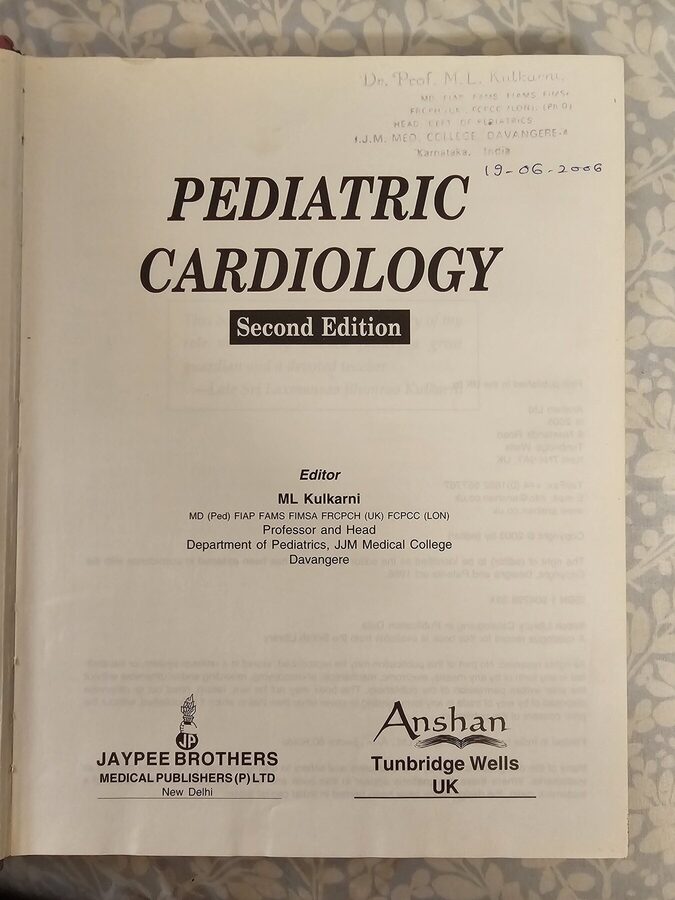
Korean. Pediatric Cardiology was published in the United Kingdom by Anshan as well as by
Jaypee in New Delhi.
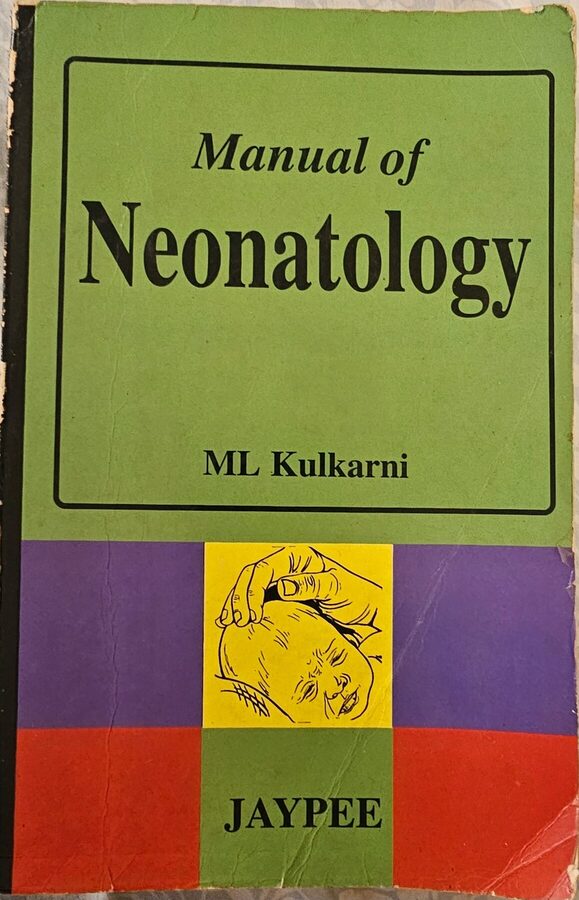
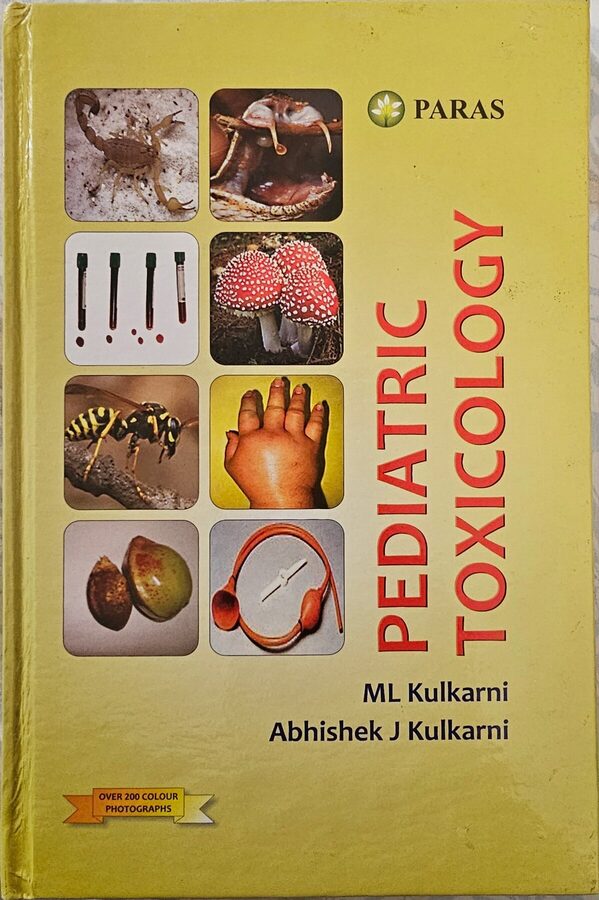
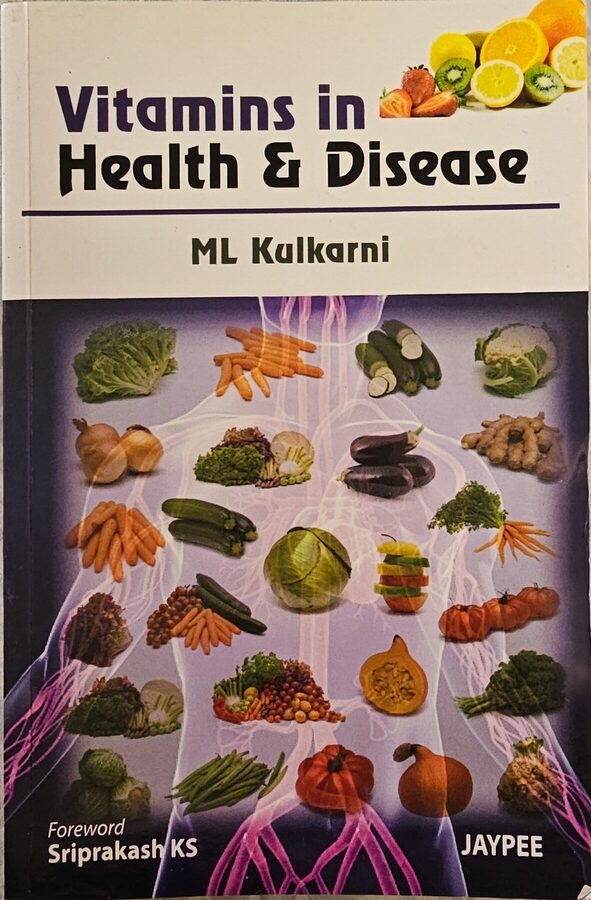
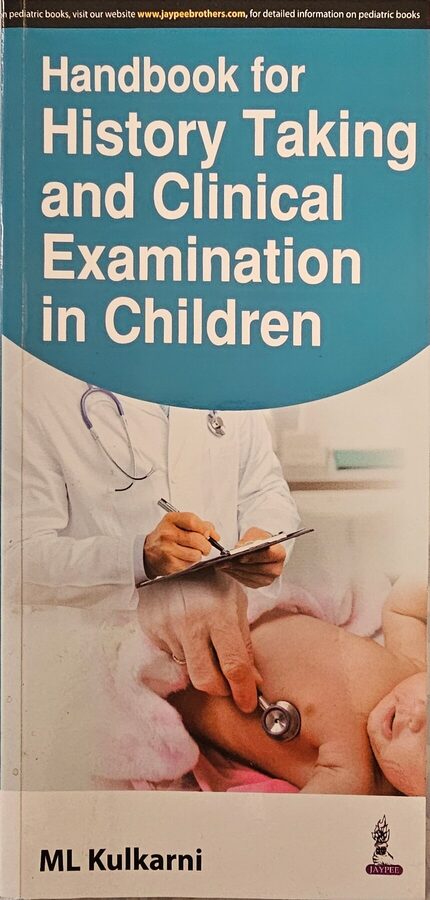
Clinical Methods in Paediatrics, Vol. 1History taking and symptomatology · JaypeeClinical Methods in Paediatrics, Vol. 2APhysical examination of children · JaypeeClinical Methods in Paediatrics, Vol. 2BPhysical examination of children · JaypeeClinical Methods in Paediatrics, Vol. 3Problem oriented approach · JaypeeAn Atlas of NeonatologyTranslated into Chinese and Korean · JaypeeManual of NeonatologyJaypee Brothers, New DelhiPediatric CardiologyFirst edition · JaypeePediatric CardiologySecond edition · Jaypee and Anshan, Tunbridge WellsPediatric ToxicologyA comprehensive text and atlas · ParasVitamins in Health & DiseaseJaypee Brothers, New DelhiHandbook for History Takingand clinical examination in children · JaypeePediatric Cardiology, title pageShowing the joint imprint of Jaypee Brothers, New Delhi and Anshan, Tunbridge Wells
Chapters, and a place in the reference works
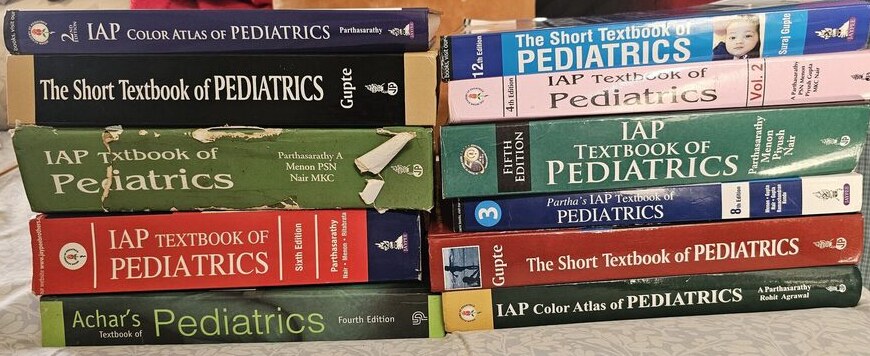
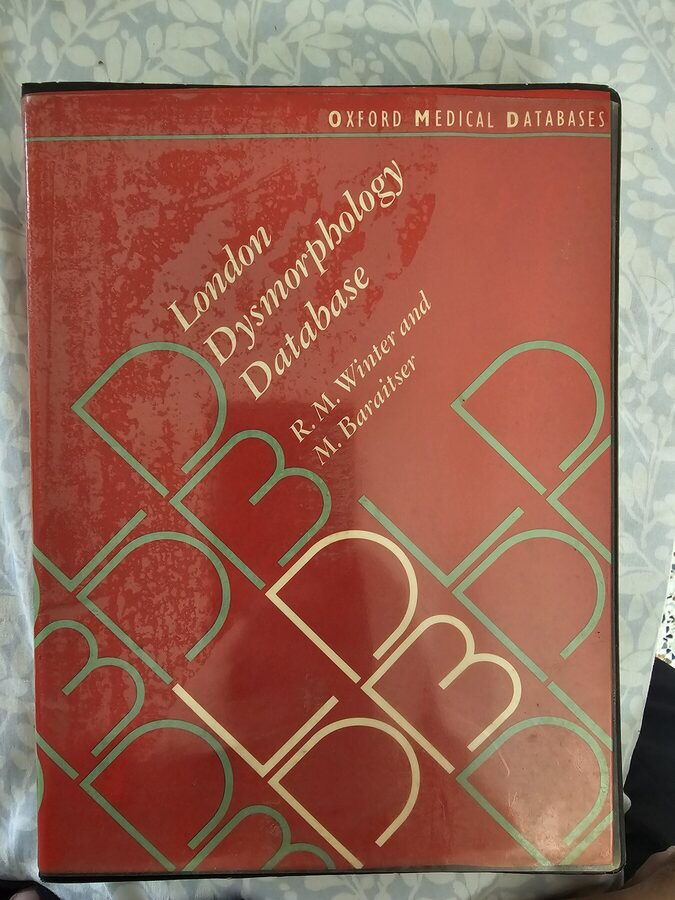
Sixty-six chapters in other authors' textbooksFour editions of the IAP Textbook of Pediatrics, the IAP Colour Atlas of Pediatrics, Achar's Textbook of Pediatrics and Gupte's Short Textbook of PediatricsLondon Dysmorphology DatabaseGrebe syndrome and Waardenburg syndrome were recorded into Winter and Baraitser's database from Davangere, as were later cases into POSSUM in Australia
Part V of the dossier
Haemophilia: building care where there was none
In 1990 he founded the Karnataka Hemophilia Society at Davangere and served as its
founder president.
More than three hundred patients with haemophilia were identified in a part of the country where
the condition had gone largely unrecognised, and a service was built around them: medical and
surgical care, orthopaedic and dental care, physiotherapy, counselling, and a patient register.
He organised an international workshop on physiotherapy in haemophilia at Davangere in January
1991, a national workshop in June 1992, a further workshop in 1993, and took part in the
international workshop at Bangalore in January 1994 alongside Professor P. M. Mannucci of Milan,
Dr. Doreen Brettler of the New England Hemophilia Center and Dr. Lilly Heijnen of the Dutch
National Hemophilia Clinic. All three wrote afterwards of his work; their letters are in the
dossier.
He wrote Know Your Disease, a guide for patients distributed in more than two thousand
copies across India and in Sri Lanka, with a companion booklet in Kannada. He made two teaching
videos — on physical therapy and on factor concentrate therapy — circulated to
haemophilia centres around the country. Money was raised for individual patients: a school place
for a boy blinded by retro-orbital haemorrhage, surgery for a hand crippled by Volkmann's
contracture, a lakh of rupees for another patient's knee.
The correspondence of those years survives and is reproduced in Part X —
appeals to the Karnataka Electricity Board for drug funds, a 1990 letter from Bombay listing
which American and European companies made Factor XI concentrate, a 1992 letter from the
Hemophilia Federation of India about the price of fifty Cyklokapron tablets, and referral notes
to C.M.C. Vellore for patients who could not afford treatment in Karnataka.
Part VI of the dossier
Community and public health
Five programmes built or led at Davangere, each documented in the dossier with its own
correspondence, published reports and press coverage.
Nutritional Rehabilitation Centre
One of only two residential centres of its kind in the country, started in 1979 for the
International Year of the Child. Mothers of malnourished children are taught to feed them
back to health. It also teaches medical students, anganwadi workers and school teachers.
Diarrhoea Training and Treatment Unit
Started in 1980, recognised by the World Health Organization and designated a National
Teachers Training Centre in diarrhoeal illness — one of two in India. Mortality in the
unit fell from 15 per cent in 1978 to 0.45 per cent by 1994.
Baby Friendly Hospital Initiative
Bapuji Hospital and Chigateri General Hospital were recognised as Baby Friendly Hospitals
by the National Task Force in 1994, after his department trained the faculty, nurses and
students in lactation management.
Universal Immunization Programme
District co-ordinator in 1986–87, with cluster-method immunization surveys in Bellary
and Dharwad districts, and reorientation programmes for doctors and paramedical staff.
Integrated Child Development Services
His evaluation of ICDS across seven anganwadi centres was published in the Indian
Practitioner in 1991. He took undergraduate and postgraduate students to the centres to
teach them what ICDS was for.
Reaching the public
Health education through newspapers and satellite television. A paper on snake bite referred
to in a WHO publication; research on dengue fever and neurological involvement published in
the WHO Bulletin.
Parts V and VIII of the dossier
Awards and honours
The Dr. B. C. Roy National Award, 1994
The highest honour a doctor can receive in India. It was instituted in 1962 by the Medical
Council of India in memory of Dr. Bidhan Chandra Roy — physician, Bharat Ratna and Chief
Minister of Bengal — and is presented by the President of India in New Delhi on 1 July,
National Doctors' Day.
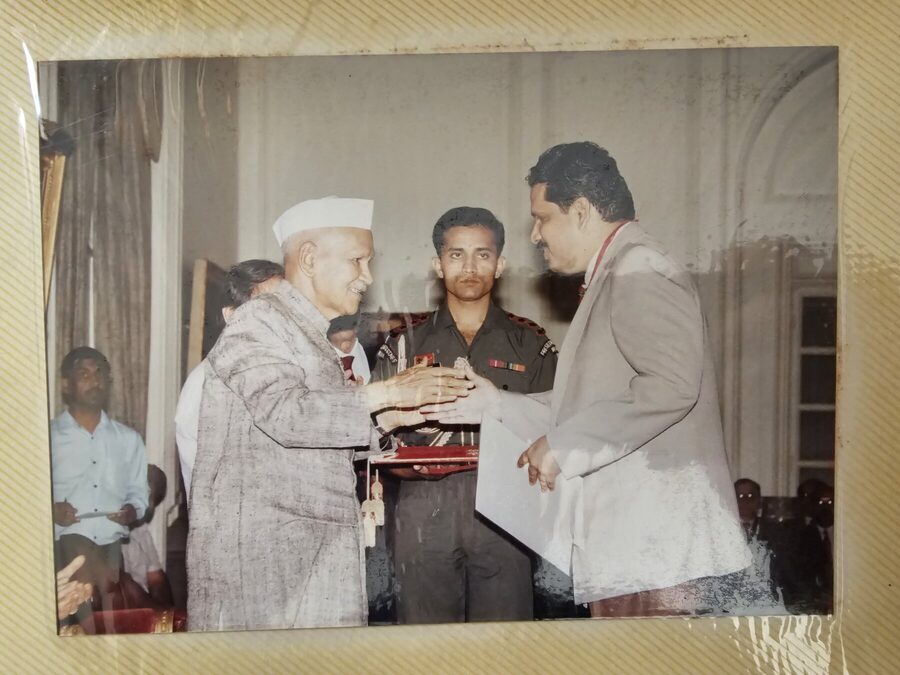
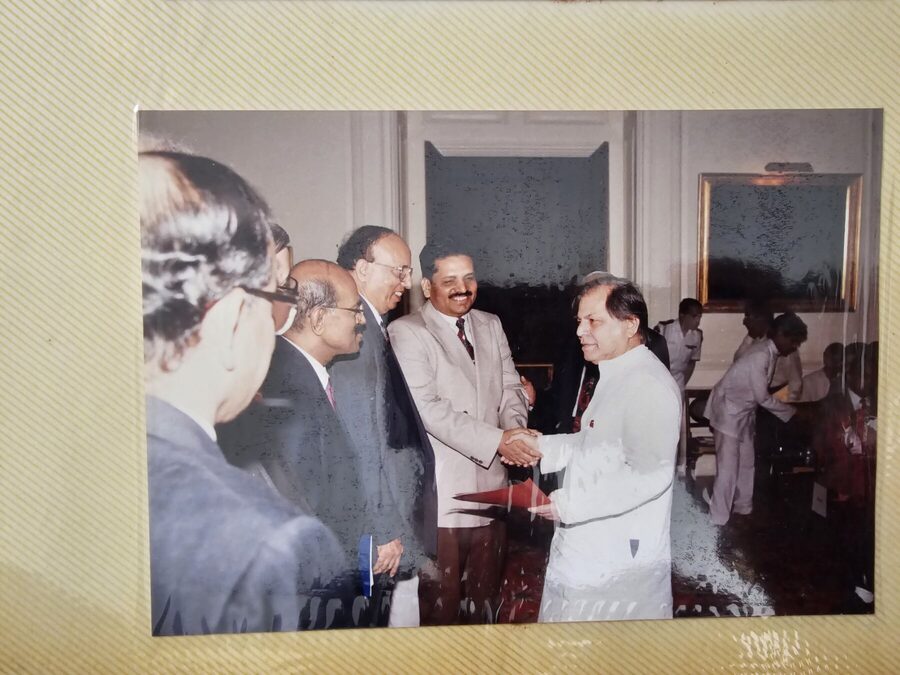
Dr. Kulkarni received it in the category of Eminent Medical Teacher for the year 1994,
presented by the President of India, Dr. Shankar Dayal Sharma. He was among the youngest
doctors to receive it.
He has carried out excellent research of international fame in adverse conditions,
in a remote place like Davangere, at great personal sacrifice. His contribution for
development of teaching aids like slides, videos, audios and charts is invaluable.
Published citation · Dr. B. C. Roy National Award Fund · 1994
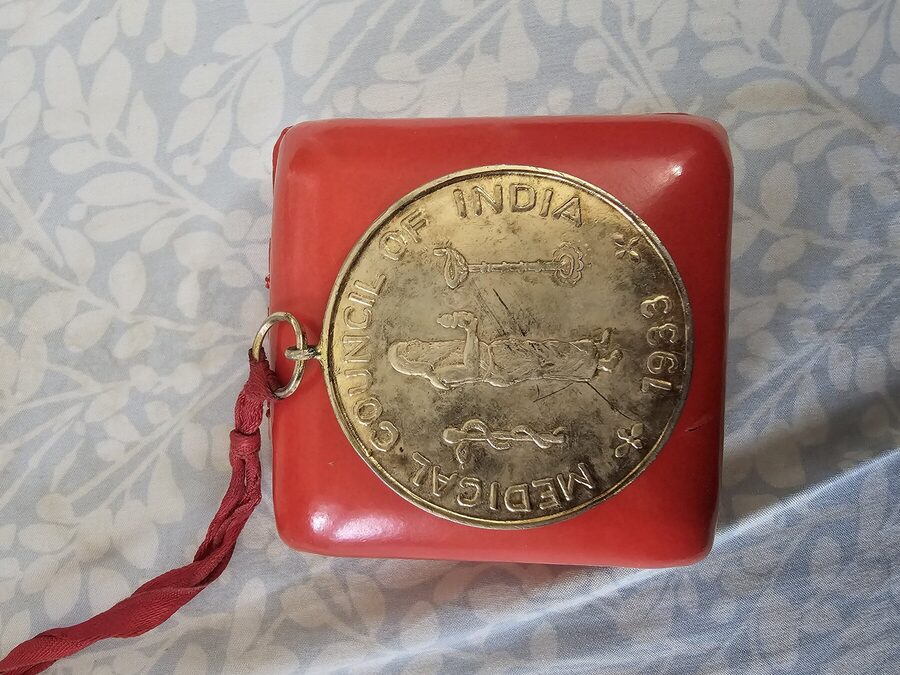
Receiving the awardFrom the President of India, Dr. Shankar Dayal Sharma, New DelhiAt the ceremonyRashtrapati Bhavan, New DelhiThe medalMedical Council of India, bearing the seal dated 1933
Other awards and honours
2002Best Teacher Award, Rajiv Gandhi University of Health
Sciences, Bangalore
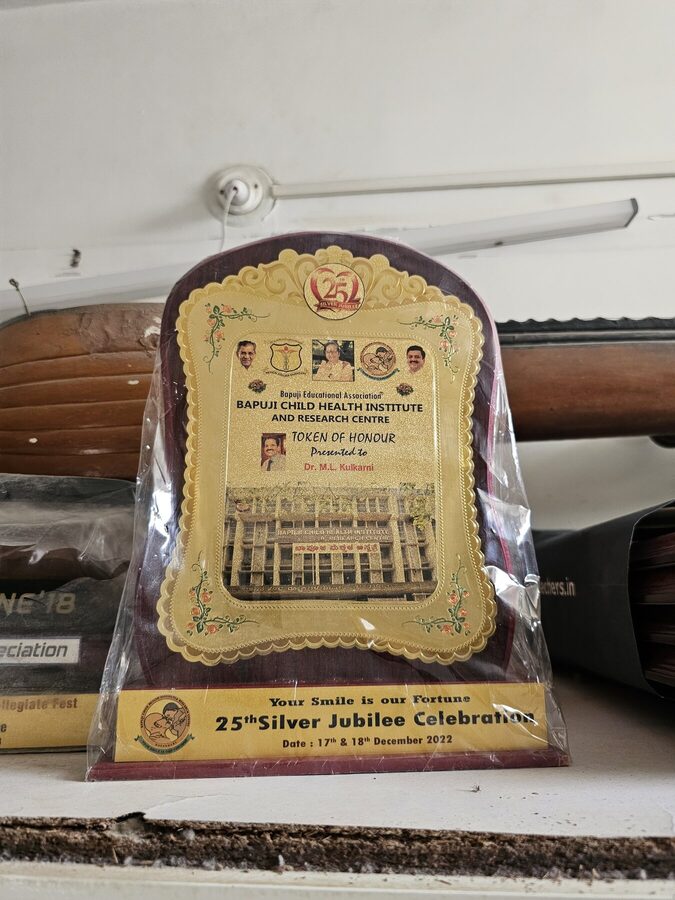
2022Token of honour, Bapuji Child Health Institute and Research
Centre, 25th Silver Jubilee
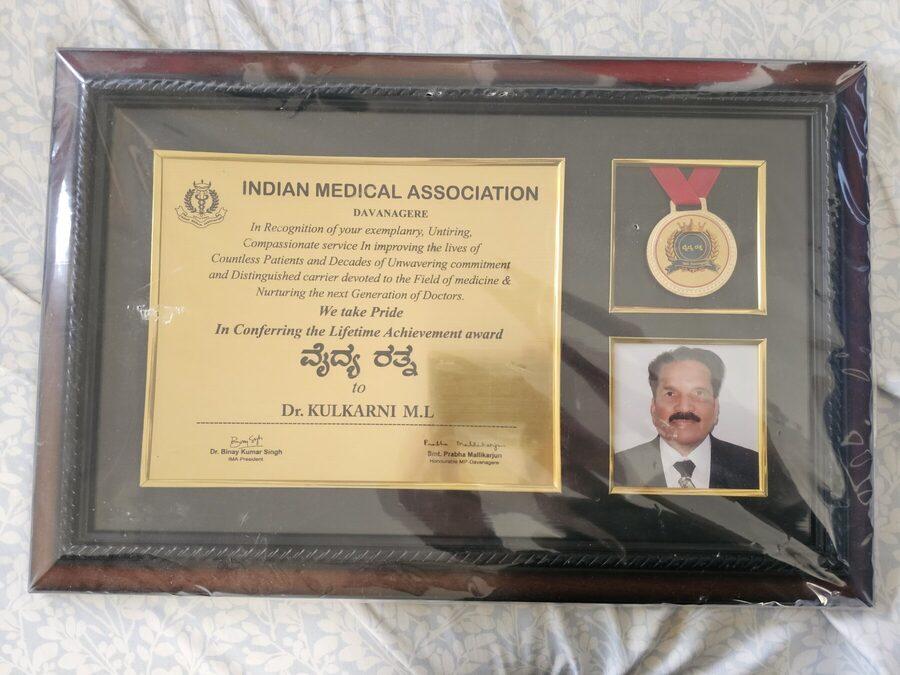
—Lifetime Achievement Award, Indian Medical Association,
Davanagere
1997Fellow, Royal College of Paediatrics and Child Health,
London
1995Fellow, International College of Pediatrics, London
1993Fellow, I.M.A. Academy of Medical Specialities
1992Fellow, International Medical Sciences Academy
1991Fellow, Indian Academy of Pediatrics
1990Elected member, British Paediatric Association
Lifetime Achievement AwardIndian Medical Association, DavanagereToken of honourBapuji Child Health Institute and Research Centre, 25th Silver Jubilee, December 2022
Orations
Twelve named orations, among them the Dr. S. G. Desai Oration three times, the
Dr. Mallesh Memorial Oration of the Bangalore Pediatric Society, the Dr. K. A. Krishnamurty
Oration Award at Madurai and the Morgan Special Lecture at Karnatak University. More than five
hundred lectures at state, national and international meetings.
Part IX of the dossier
In the words of others
His career exemplifies the distinguished service the honour is meant to recognise, and his
work embodies the spirit of the People's Padma.
Prof. Girisha Katta, MD, DM, PhD — Department of Genetics, College
of Medicine and Health Sciences, Sultan Qaboos University, Muscat; formerly Head of Medical
Genetics, Kasturba Medical College, Manipal
A body of work of national and international significance, accomplished from a small town,
by a teacher, mentor and role model to thousands of doctors.
Dr. Kiran Kumar Balegar — Consultant Neonatologist, Nepean Hospital
and the University of Sydney, Australia; one of the ten thousand undergraduates he taught
After nearly seven years of searching for a diagnosis for my daughter across the best
hospitals in India, Dr. Kulkarni identified Pompe disease within fifteen days. His
encouragement led to the founding of ORDI itself.
Mr. Prasanna Shirol — Co-founder and Executive Director,
Organisation for Rare Diseases India
Earlier letters — from Professor P. M. Mannucci of
the World Federation of Hemophilia, Dr. Doreen Brettler of the New England Hemophilia Center,
Dr. Lilly Heijnen of the Dutch National Hemophilia Clinic and Professor Maj Hultén of the
West Midlands Regional Genetic Services — are reproduced in full in the dossier.
The primary source
The complete dossier, 133 pages
Every claim on this page is drawn from a single consolidated document. It is
reproduced in full below, in ten parts.
The typed matter has been re-set in a clear typeface, keeping the original
wording; everything written by hand on the original pages has been typed out and is shown in
italics. Certificates, letters, photographs and press cuttings are reproduced as scans of the
originals, straightened and cleaned for contrast, with nothing inside them altered. Where the
original record is itself incomplete or inconsistent, the entry is reproduced as written and the
point is noted rather than silently corrected.
I
Curriculum vitae and credentialsPersonal particulars, the career narrative, the bio-data proforma, and the degree,
registration and service certificates.pp. 3–17
II
Books and book chaptersTwelve text books and monographs; sixty-six chapters and conference
proceedings.pp. 18–21
III
Indexed journal publications119 entries in indexed international and national journals, 1987 to
2011.pp. 22–26
IV
Non-indexed journals and souvenirs131 entries in non-indexed journals and 27 souvenir and bulletin
articles.pp. 27–33
V
Haemophilia, genetics and awardsThe founding of the Karnataka Hemophilia Society; fellowship diplomas; the B. C. Roy
citation; five international testimonials.pp. 34–50
VI
Community and institutional workNutrition rehabilitation, diarrhoea training, BFHI, immunization and ICDS, with the
supporting correspondence and press cuttings.pp. 51–82
VII
Leadership roles and the PubMed recordNational service and editorial roles, and the complete PubMed record of 100
entries.pp. 83–88
VIII
Books and awards — photographsTwenty photographs of the published volumes, the textbooks carrying his chapters, and
the awards.pp. 89–110
IX
Recommendations and testimonialsLetters from Muscat, Sydney and the Organisation for Rare Diseases
India.pp. 111–118
X
Archival records, 1966–1997Karnatak University rank certificates, the B. C. Roy citation, and the correspondence of
the Karnataka Hemophilia Society.pp. 119–133